For years, home delivery dominated e-commerce logistics.
Fast, convenient, and widely adopted, it became the default expectation for online shoppers.
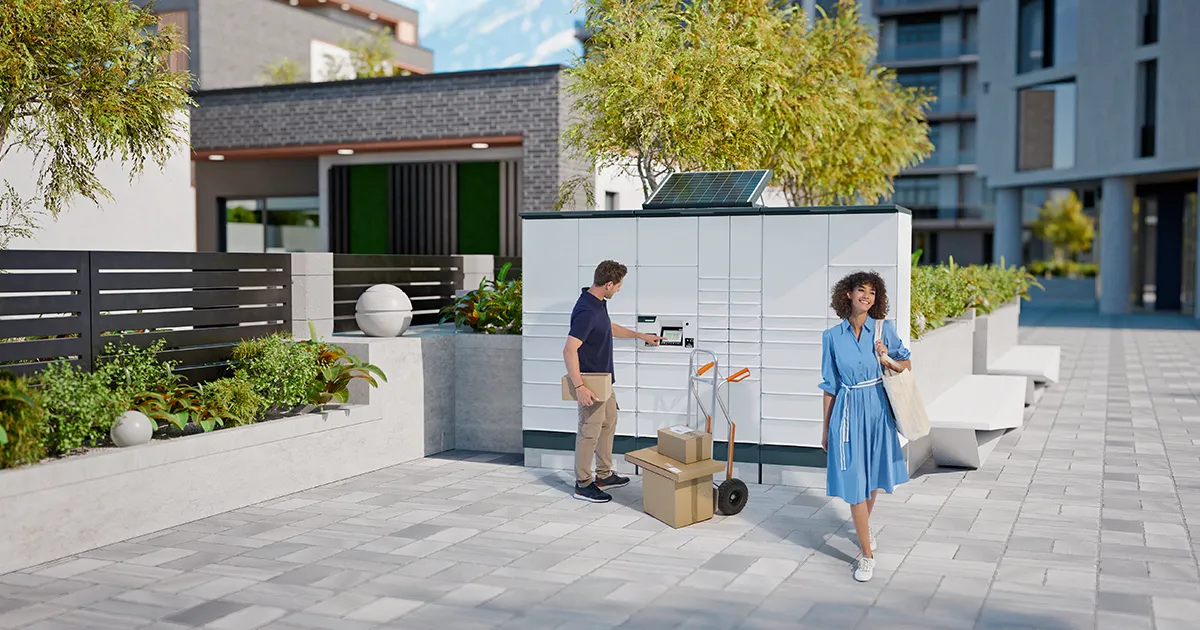
But something is changing. Across global markets, Out-of-Home (OOH) delivery — parcel lockers, pick-up points, and drop-off locations — is rapidly transforming how packages move through cities and how customers interact with delivery networks.
Recent insights from leading industry research show that OOH is no longer just an alternative delivery method. It is becoming a strategic pillar of modern logistics networks.
At ShiftLab, we closely follow these structural shifts in logistics and e-commerce. One thing is increasingly clear: the future of last-mile delivery will be hybrid — and OOH will play a central role.
A) Why Customers Are Choosing OOH Delivery?
The rise of OOH delivery is not driven by logistics operators alone.
It is primarily driven by changing consumer behavior.
Modern consumers increasingly value flexibility and control over their deliveries.
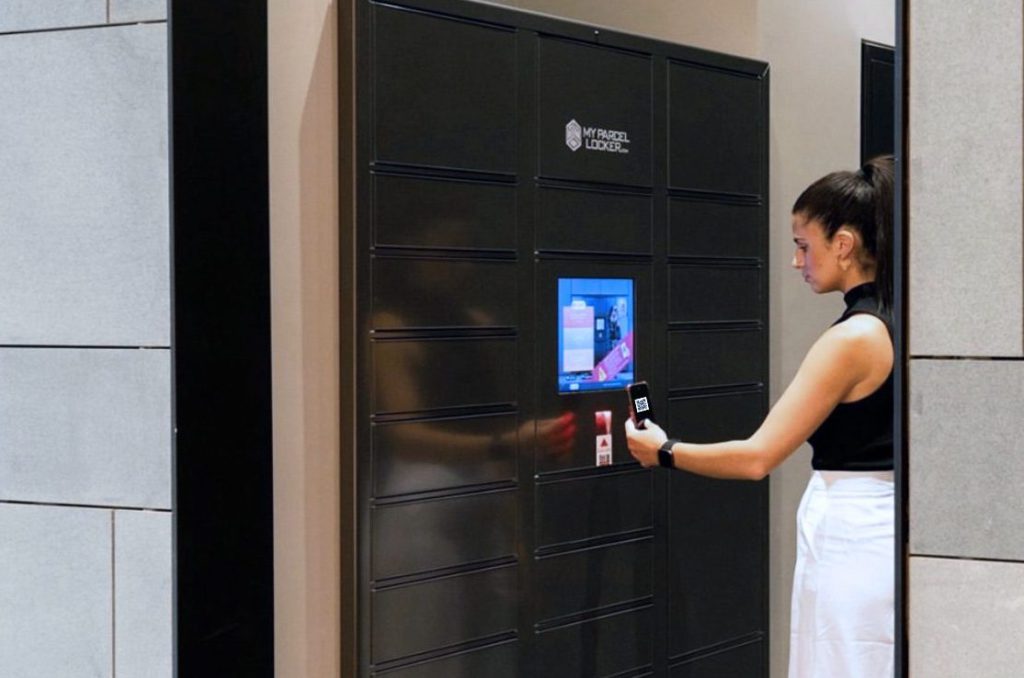
OOH solutions provide exactly that:
• Pickup anytime — often 24/7
• No missed deliveries
• Convenient locations near daily routines
• Faster and simpler product returns
For e-commerce platforms, the implications are significant. When preferred delivery options are missing during checkout, cart abandonment increases sharply. Delivery options have become part of the customer experience and conversion strategy.
In short: delivery is no longer just an operational step — it is part of the product.
B) The Hidden Complexity Behind OOH Networks
Despite its rapid adoption, OOH delivery is not a plug-and-play solution.
Successful networks require careful planning and data-driven decision-making.
Several factors determine whether an OOH network creates value or inefficiency.
Location density
Parcel lockers and pickup points must be located where customer demand exists. Poorly placed lockers quickly become underutilized infrastructure.
Network design
Lockers alone cannot serve every environment.
Urban areas may rely heavily on automated lockers, while mixed or suburban areas benefit from pickup-and-drop-off partner locations (PuDo).
The economics of OOH improve dramatically when usage increases. An empty locker is not efficient – it is simply unused capital.
Sustainability reality
OOH is often presented as a greener solution, but the real environmental impact depends on how customers retrieve their parcels. If pickup is integrated into daily routines, emissions drop. If customers drive specifically for collection, the benefits shrink.
This is why OOH networks must be designed as systems — not just infrastructure.
C) The Next Evolution of OOH Networks
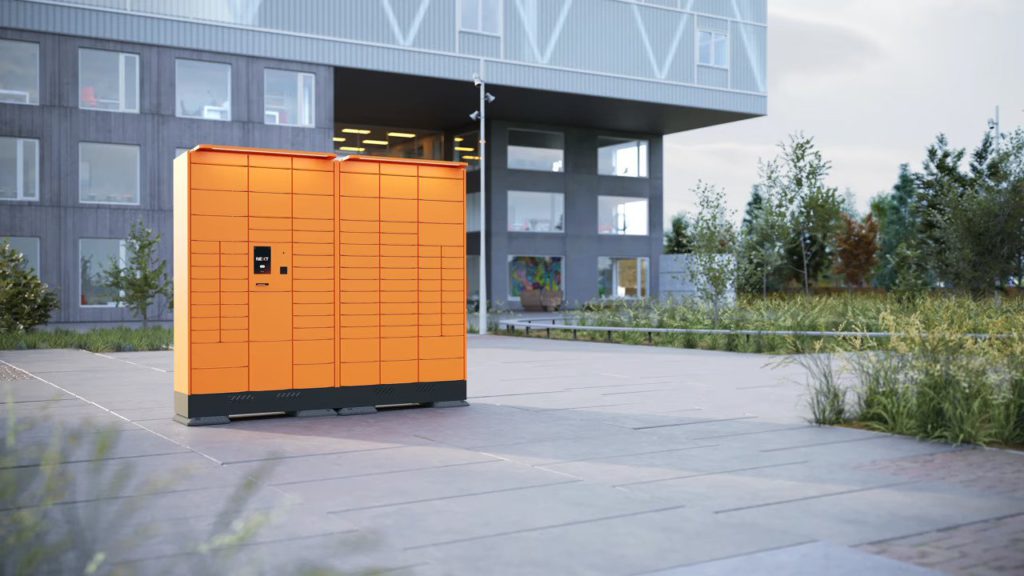
OOH delivery is still evolving, and several innovations are shaping its future.
Some of the most promising developments include:
Shared locker infrastructure
Multi-carrier networks allowing different logistics companies to use the same lockers, increasing utilization and reducing urban clutter.
Smart checkout recommendations
E-commerce platforms dynamically suggesting pickup points based on capacity and proximity.
Dynamic OOH solutions
Mobile lockers, temporary pickup points, or flexible infrastructure that adapts to demand spikes.
Data-driven network optimization
Advanced analytics predicting parcel flows and optimizing placement, capacity, and utilization.
The next generation of OOH networks will not just be bigger — they will be smarter and more integrated into digital commerce ecosystems.